
苍天有泪
Best Korean Movies on OTT: A Streaming Guide to The Finest Cinema From South Korea_我的网站

A | South Korea’s cinematic dominance is no longer news. It’s a global cultural movement. Over the past two decades, Korean filmmakers have consistently delivered emotionally resonant and genre-bending movies. Not just that, these movies are visually stunning as well. They have found loyal audiences across continents. Today, with OTT platforms expanding their international libraries, some of South Korea’s most powerful films are just a click away.
Whether you’re new to Korean cinema or a long-time devotee, the current OTT landscape offers a treasure trove of thrillers, romances, period dramas and indie gems. If you are still wondering what to watch, here is a curated guide to the best Korean movies on streaming platforms. These films are deep, narrative daring and exude artistic excellence. All in all, they define modern Korean filmmaking.
In This Article
ParasiteTrain to BusanThe HandmaidenMemories of MurderBurningDecision to LeaveMinariThe WailingMiracle in Cell No. 71987: When the Day ComesParasite
Release date: May 30, 2019
Streaming platform: Netflix, Prime Video
Bong Joon Ho’s Parasite has achieved immense praises globally. The movie has broken boundaries, as many global audiences discovered Korean content after the release of this film. Interestingly, it is also the first non-English language film to win the Academy Award for Best Picture. What made it stand out? It’s a razor-sharp social satire disguised as an entertaining genre hybrid. The Kim family’s clever infiltration into the affluent Park household morphs into a darkly humorous thriller. It also provides a tragic class commentary and ultimately, a richly layered metaphor for inequality.On OTT, Parasite remains a perfect entry point for viewers exploring Korean cinema. Why so? Because it is smart, starkly relatable and unforgettable.
Train to Busan
Release date: July 20, 2016
Streaming platform: Prime Video, Apple TV
Director Yeon Sang Ho revolutionised the zombie genre with Train to Busan. It is an action-packed survival thriller set aboard a speeding train during a viral outbreak. But what sets this film apart isn’t just its relentless pace or inventive set pieces, it is the emotional core. The story between Seok Woo and his daughter, alongside the strangers who become unlikely allies, transforms the zombie apocalypse into a moving tale about sacrifice and humanity. It is high-octane, heartfelt and perfect for late-night streaming.
The Handmaiden
Release date: June 1, 2016
Streaming platform: Amazon Prime Video
Park Chan Wook’s lush psychological thriller The Handmaiden is considered one of the most beautifully crafted films of the decade. It is inspired by Sarah Waters’ novel Fingersmith. Interestingly, the film transports viewers to 1930s colonial Korea. It does not hesitate to weave a tale of deception, forbidden love and revenge. The cinematography is also exquisite. Moreover, the cast offers mesmerising performances. Yes, you would want to watch it multiple times. The Handmaiden is the kind of cinematic experience that feels tailor-made for OTT viewing. Why? Because it is intimate, immersive and visually indulgent.
Memories of Murder
Release date: April 25, 2003
Streaming platform: Prime Video, Hulu (varies by region)
Before Parasite, Bong Joon Ho created what many consider the greatest Korean film of all time. Memories of Murder is a haunting true-crime drama following detectives trying to catch Korea’s first serial killer in the 1980s. This movie has been widely praised by K-drama enthusiasts. But what makes this film unforgettable is the blend of bleak humour, social commentary and existential dread. It is not just a murder mystery, it is a portrait of a country in transition. It is a tale on proper justice and a showcase of Bong’s distinctive storytelling voice.
Burning
Release date: May 17, 2018
Streaming platform: Netflix
Lee Chang Dong’s Burning is a slow, hypnotic and enigmatic psychological drama that lingers long after the credits roll. Loosely based on a Haruki Murakami short story, the film follows Jong Su, whose quiet life is disrupted when a mysterious and charismatic man enters his orbit.The film is a masterpiece in ambiguity, every line, gesture and silence feels loaded with meaning. For viewers who enjoy atmospheric storytelling and open-ended narratives, Burning is one of the finest Korean films available on streaming.
Decision to Leave
Release date: June 29, 2022
Streaming platform: Mubi, Prime Video
Park Chan Wook’s modern noir Decision to Leave is full of romance and mystery. It is a detective investigating. A man’s death becomes the centre of attention. His widow is questioned time and again. It sparks an emotional and psychological entanglement that’s equal parts tender and unsettling.The film’s precision, as in its framing, editing, and performances, is extraordinary. Streaming this at home gives viewers a chance to savour its details, pause for reflection and appreciate its poetic subtlety.
Minari
Release date: December 11, 2020
Streaming platform: Netflix, Prime Video
Minari is a well talked-about film in the Korean movies circles. Though produced in the United States, Minari is deeply rooted in Korean identity. The Oscar-winning drama tells the story of a Korean immigrant family starting a farm in rural Arkansas during the 1980s.Director Lee Isaac Chung infuses the film with warmth, quiet humour and poignant observations about identity, hope and the immigrant experience. Steven Yeun and Youn Yuh Jung elevate the film into a universal and deeply human story. Moreover, Youn Yuh Jung won an Oscar for her performance.
The Wailing
Release date: May 12, 2016
Streaming platform: Prime Video, Apple TV
Na Hong Jin’s supernatural horror The Wailing is unsettling, expansive and hypnotically mysterious. When a sleepy village is struck by a series of violent deaths, a bumbling police officer finds himself drawn into a dangerous web of shamanism, suspicion and malevolent forces. This is horror at its finest - slow-burn, deeply atmospheric and rich with philosophical layers. For OTT viewers craving a horror film that’s more than just jump scares, The Wailing is a must-watch.
Miracle in Cell No. 7
Release date: January 23, 2013
Streaming platform: Netflix
It is a heartwarming tearjerker that became one of Korea’s biggest box-office hits. Miracle in Cell No. 7 tells the story of a mentally challenged father wrongfully imprisoned and the daughter he desperately wants to care for. It is all things emotional and tragic, in a way that few films manage. The storytelling makes it a perfect OTT pick for family movie night. However, just keep tissues nearby (friendly advice!)
1987: When the Day Comes
Release date: December 27, 2017
Streaming platform: Netflix
This movie is a powerful political drama. 1987 chronicles the real events surrounding South Korea’s pro-democracy movement. The film is gripping, emotional and essential viewing for anyone curious about Korean history. On streaming platform, this film stands out as a rare mix of historical accuracy and thrilling storytelling.Also Read: Korean Dramas & Films Releasing In December: Made in Korea & More。

B | “甲醛白菜”从2012年进入人们视野以来,中间经过14年,就是根除不了。这是因为用甲醛保鲜成本低,诱惑力极大,再重的舆论声讨和处罚风险,也挡不住被抓住低概率和高回报对不法之徒的诱惑。北方地区因为产大白菜,运输多为短途,吃到“甲醛白菜”的几率比较低,但远离大白菜主产区的地方,这个风险的“幽灵”时不时就会出没。
 据多家媒体采访业内人士和专家得出的估算,一桶工业甲醛不过几十块钱,能让一车十几吨的白菜多撑两三天,刚好覆盖跨省远途运输的窗口期。在白菜这种按“分”算利润的农产品里,省下的那些钱都是中间商实打实的纯利,有的商贩就因利弃义了。然而一些专家指出,很多人以为保鲜只有两条路:要么用甲醛这种邪招,要么全程上冷藏车。

C | 但其实中间还有一条“准冷链”。上海市农业科学院研究员乔勇进接受媒体采访时表示:“大白菜含水量达95%,采摘后呼吸旺盛,采后预冷是十分关键的环节。通过差压预冷等技术,可以在24小时内使菜体中心温度降至0—1℃。”《中国蔬菜》等专业媒体表示,蔬菜在经过预冷之后,用竹筐、夹冰瓶等把这份“冷气”尽量长久地锁住,就能延长一定保质时间,这样普通货车也能跑。10吨菜用甲醛是几十块,用这套“准冷链”多花几百块钱,摊到每公斤也就多花几分钱,从河北运到长三角,零售一斤也就贵不到一毛钱。老百姓完全承受得起,也愿意花。但是要把“准冷链”运输搞起来,中间商自己搞不了,田头要有冷库,大白菜装车点得有快检甲醛倒逼,到了消地批发端商家得认,而不是看菜根白不白。现在北京上海等一线城市防“甲醛白菜”做得比较好,倒逼力量强大,蘸了甲醛的白菜一般不太敢往那些地方运。然而只要市场配合不完善,监督体系不完整建立起来,使用甲醛保鲜的邪招就能找到可以钻的缝隙。
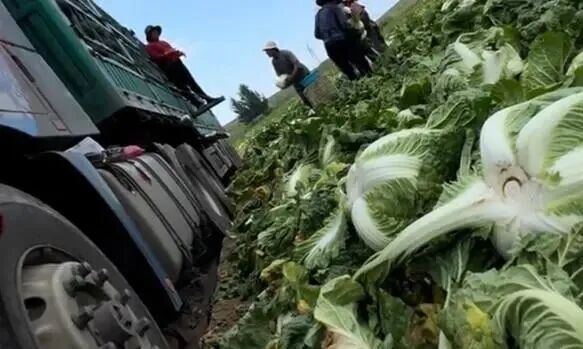 有人提议在康保这类夏菜外运大县,可考虑利用现有产地冷藏保鲜设施补贴,多在村口建共享预冷点,那样收购商就可以在砍菜后一小时内,把菜温从25℃降到4℃,按吨付几块钱。呼吸热一降,后面加冰筐就行,“准冷链”成本直接压到几百元以内。根据《中国农产品产地冷链物流发展报告(2024)》显示,“十四五”期间,全国产地冷库库容预计新增约2亿立方米,建设培育了1000个具有仓储保鲜等能力的产地冷链集配中心,产地“最先一公里”的冷链设施正走向田间地头。

D | 第二,装车点要强制快检。有律师接受记者采访时表示:“甲醛属于违法添加的非食用物质类型,虽然能够保鲜,但会导致食品安全产生风险。”尽管甲醛快速检测试纸的结果可能受到样品和操作条件等因素影响,但便于初筛,所以应该在田头收购点配几块钱一条的试纸,装车前随机抽,一旦发现问题,最终核验确切检出,就用刑责兜底,整车扣押,按生产销售有毒有害食品查办,而不是罚几千块钱了事。那样一来违法代价的预期就会变成倾家荡产。第三,专家们建议,要让中间商更有动力守规矩。销地批发端要对持有“无甲醛检测合格证”的合规菜品给予微量溢价,一车多回几百块钱,刚好覆盖“准冷链”的花费。那样一来,转运经销商结账后会发现“不蘸甲醛比蘸甲醛赚得多”,不用劝,他们自己就会全都把甲醛桶踢了。第四,消费者看得见“无甲醛”才愿意一斤菜多付一毛钱左右。商超菜场应该有最终确认大白菜经过了上述合规转运的能力,应建立严格溯源码制度,要标到产地的镇、标到运输的车、标到菜的批次,有了这一套保障,让大家多花几分钱或一毛钱买一斤大白菜,我相信很多人都会很开心。

E | 意愿变成实际溢价,钱才能顺着链条流回田头。从长远看要彻底解决甲醛问题,这四根柱子缺一不可。只建共享冷库,没有甲醛快检,商贩就会绕开;只有快检,但是没有溢价,合规者就会吃亏;只溢价不溯源,钱可能被中间某个环节截走,结果是消费者被耍。
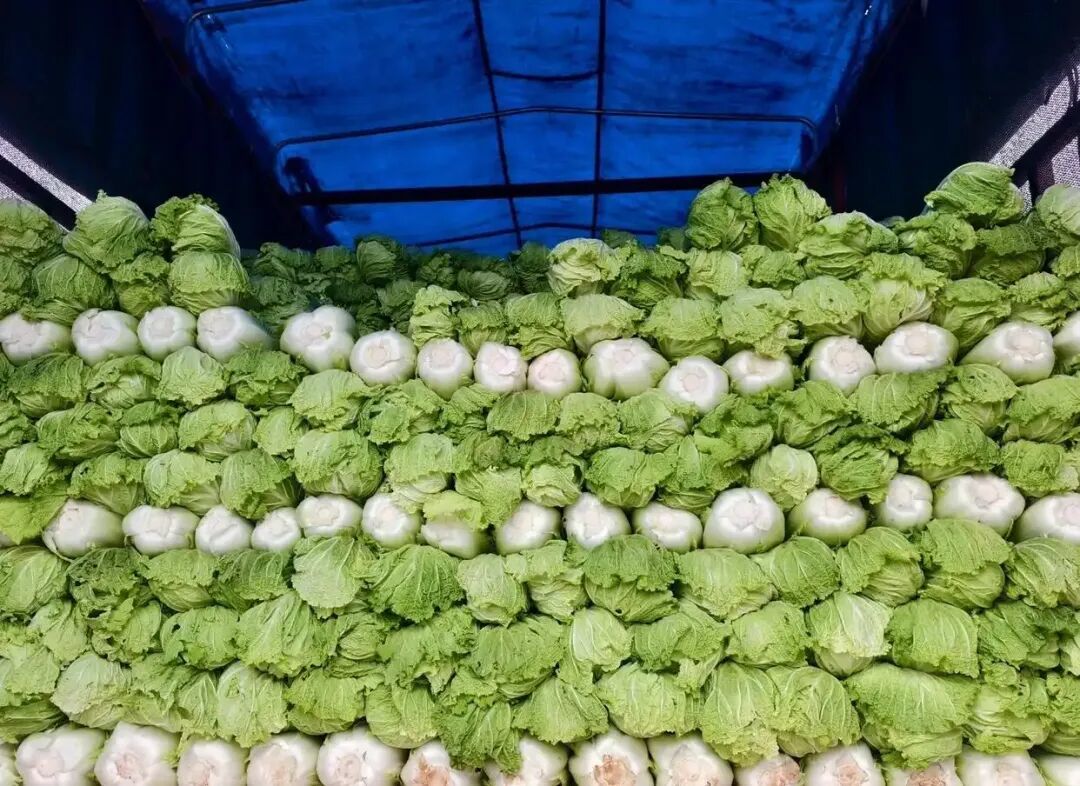 现在北京新发地等全国一线城市大型农产品批发市场的做法越来越严格,总体看,中国的食安水平是不断往前走的,我们无需因为又出了一次“甲醛白菜”事件就过度灰心,我们要做的是以解决每个出现的问题为导向,形成食品安全建设的真实加速度。发达社会的重要标志之一就是食品安全的保障性,大幅提升市场销售蔬菜的可溯源性非常高,很细致。而推动食品安全体系不断建立起来的动力是人们的强烈要求以及总的生产力水平的提高、人们也有能力消费更加安全的食品。老胡认为今天的中国已经到了这样的转折点,加强食品安全并非我们社会的负担,而是新的发展机遇和动力。让我们的整个生产和供应链,都拒绝以牺牲安全为代价朝着低价卷,而要朝着公众能够消费得起的更高食安水平向上竞争。无论是“甲醛白菜”还是“毒草莓”,都应该彻底退出中国人的餐桌了。

F |
Current article:http://u7s.wengsengzhanhuangu.cyou/ezueg/qvj0a0u.html
Published on:03:27:28


